When “Just Getting Through” Never Ends
You tell yourself it’s temporary. I’ll just get through this project, this quarter, this fire drill, then things will finally calm down – but the relief never comes. The pressure keeps building, and no matter how much you accomplish, it never feels like enough.
The patterns are becoming more difficult to ignore. Maybe it’s getting harder to access the clarity you used to have. Maybe rest isn’t restoring you the way it once did. You’re beginning to wonder if the way you’ve been leading is sustainable or if there’s a better approach you haven’t discovered yet.
If this sounds familiar, you’re not alone. Aileron Coach and Facilitator Erika Alessandrini has been there. After 23 years in executive leadership and her own experience with burnout, she knows what it’s like to nearly lose what matters most while chasing success. Turning her pain into purpose, Erika created Aileron’s newest leadership service, Leaders at Peace, which is built from concepts in her upcoming book, Maybe It’s Me. A pilot cohort kicked off in January, and registration is now open for the first official cohort beginning in July.
We sat down with Erika to explore how this work came to life, what she’s learned about where pressure comes from, and how leaders can pause to make more conscious choices in the moments that matter most. Learn more in the Q&A below.
Leaders often believe the pressure they feel comes from the outside. What inspired you to flip that narrative and say, “Maybe It’s Me?”
It wasn’t a dramatic failure but more of a sobering realization that my effort to step in, take over, and make it better was actually making things worse. I wasn’t preparing my people for their inevitable future; I was preventing them from stepping into it fully prepared. By running interference and being protective, I was quietly undermining their growth, and that’s when I had to confront a really hard truth: I had become part of the problem, and the only way forward was to own it.
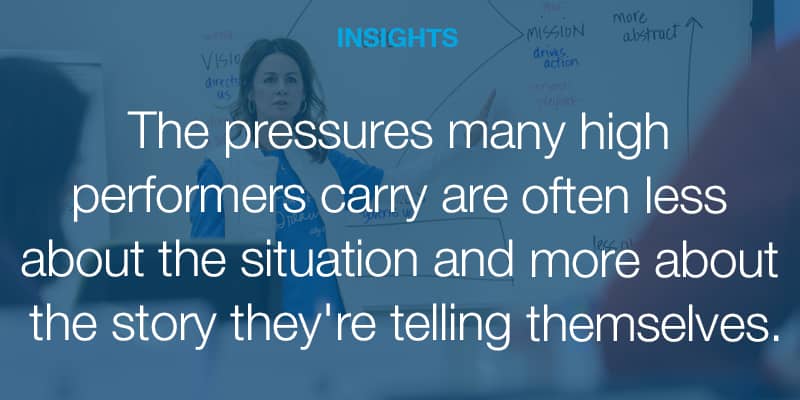
The world is not short on chaos. Circumstances are messy and unfair, and pain is inevitable, but the pressures many high performers carry are often less about the situation and more about the story they’re telling themselves. When we equate caring with control or responsibility with over-functioning, we unknowingly create the very pressure we resent. The shift inward wasn’t about ignoring reality, it was about recognizing that while I can’t control what happens: I’m responsible for the meaning I assign to it, and that meaning determines whether I lead from pressure or from peace.
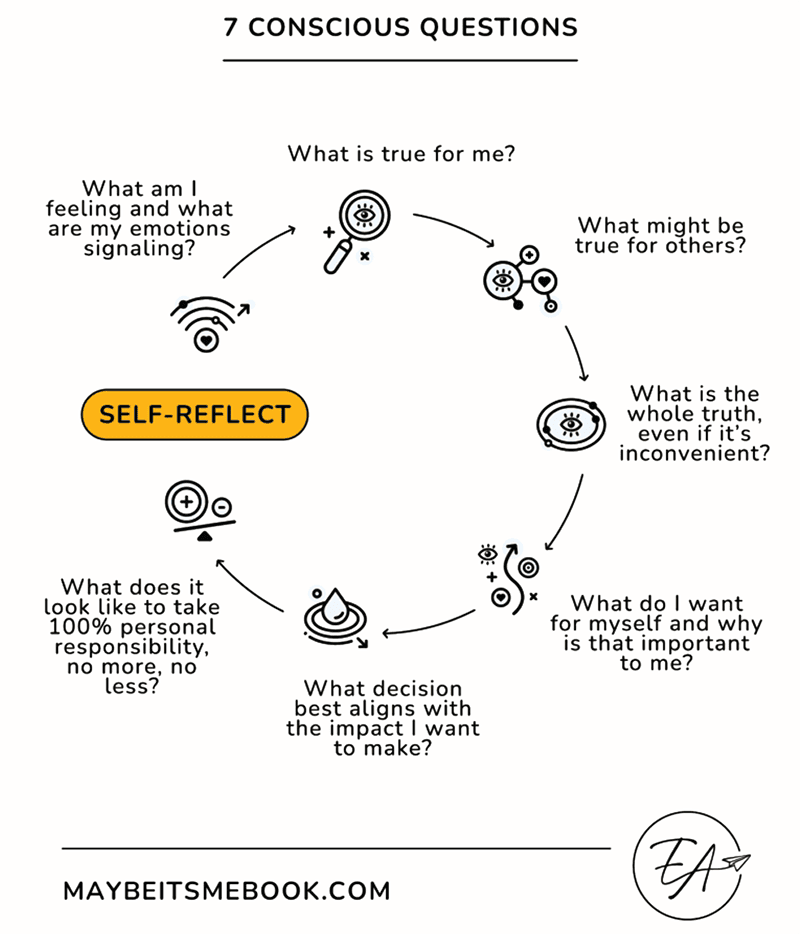
The seven conscious questions are central to this work. How do they help leaders move from reaction to intention in real time?
The seven conscious questions are designed for the moment between stimulus and response – that split second where most damage is done. Pausing to ask them slows the rush, forces awareness, and helps leaders maintain agency while creating clarity and making conscious choices. The purpose of the “pause” is to give people the space to reflect and ultimately make choices more consciously.
The seven conscious questions weren’t created in theory. They emerged from years of coaching real leaders under real pressure where I witnessed the same reactive loops and patterns repeating over time. I noticed there were specific questions that consistently interrupted that reactivity and restored clarity which became the framework for this. There are probably endless questions we could ask ourselves in those moments, but there is something really special about this particular combination of questions, especially when it comes to making a conscious choice.
What has surprised you most about the way leaders are showing up in this pilot cohort so far?
Mostly I’ve been surprised by how quickly this group engaged and how fast these high-performing leaders admitted that they’re tired – not weak, but tired. They’re tired of managing perception and carrying all the pressure and weight of the world, being the strong person while internally spinning in a chaotic world. And when given permission to pause instead of perform, they didn’t resist it. They paused, they exhaled. That tells me the hunger for peace isn’t soft. It’s actually strategic for these people.
What’s one question you hope leaders start asking themselves differently after encountering this work?
I hope they begin asking themselves, “if this isn’t working, what part of it is mine, and what am I willing to do to make it right?” It’s so easy to blame imperfect circumstances or wait for somebody else to change, but leaders at peace don’t wait; they commit, they look inward, they take ownership of what’s theirs and use every ounce of influence they have to move things forward.
Discover What’s Next
Participants in the pilot cohort are describing their experience as challenging in the best way. It’s not about adding more to their plates, it’s about examining what’s already there with more awareness. Leaders are discovering that protecting their peace doesn’t mean losing their edge. It means leading from a place that’s more sustainable, intentional, and effective.
“This program is so impactful and really changing the way I’m approaching others and stressful situations for the better,” said a participant from Cohort Zero. “I’m starting to see improvements in my life already thanks to Leaders at Peace!”
If you’ve been carrying a lot for a long time and you’re ready to make some changes, you can secure your spot in our next cohort. We expect spots to fill up fast – the pilot sold out quickly – so reserve your spot today.